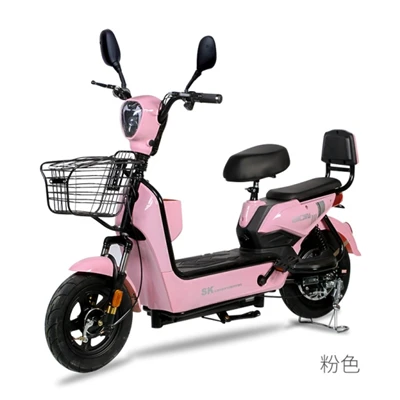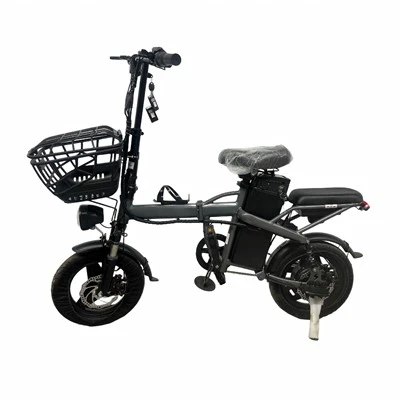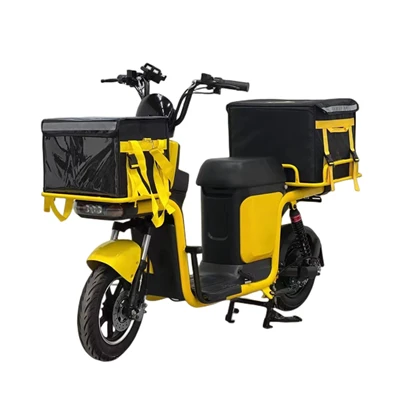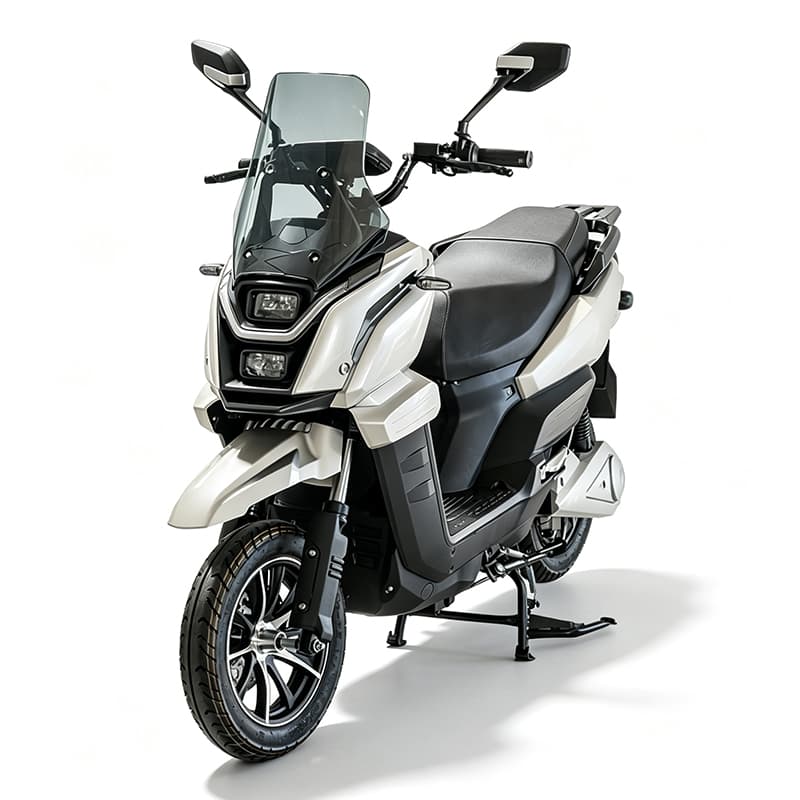

Electric motorcycles are powered primarily by electricity. Their overall structure replaces components found in internal combustion motorcycles-such as the engine and fuel tank-with the "three-electric system" (battery, motor, and controller). Key characteristics include lightweight construction, a centralized center of gravity, and smooth power delivery.
Structural Characteristics of the Core "Three-Electric System"
Battery Pack: Serving as the vehicle's energy storage core, mainstream models utilize lead-acid or lithium batteries. On scooter-style models, the battery can be positioned beneath the floorboard to achieve a low, centralized center of gravity, thereby enhancing stability at high speeds.
Drive Motor: Options range from rear-wheel hub motors (direct drive) to mid-mounted motors found in high-end models. These motors deliver peak torque immediately upon startup, eliminating the need for complex transmission systems.
Controller: Acting as the vehicle's control hub, it precisely regulates motor voltage and current to manage functions such as speed control, start/stop operations, and energy recovery. Sinewave controllers, in particular, offer quieter and more energy-efficient operation.
Structural Characteristics of the Chassis and Running Gear
Frame: Serving as the load-bearing skeleton, frames are typically made of steel tubing or aluminum alloy. Some models employ patented designs-such as triangular bracing-to ensure structural rigidity and handling precision while maintaining a lightweight profile.
Suspension System: Configurations typically include front forks with shock absorbers and rear swingarms with shock absorbers. Certain specialized models utilize a Hossack-style suspension, balancing structural support with damping performance for more precise steering.
Wheel Assembly: Tubeless tires are used to reduce the risk of blowouts. Some high-performance models feature a single-sided swingarm design, significantly enhancing both visual distinctiveness and structural strength.
Structural Characteristics of Control and Braking Systems
Control Mechanism: Control signals are transmitted via the handlebars and throttle grip. Utilizing a continuously variable power delivery structure, the ride is smooth and free of jerking, making it easy for beginners to operate.
Braking Configuration: Disc brake assemblies are the mainstream choice. High-end models may be equipped with ABS (Anti-lock Braking System) and TCS (Traction Control System). Additionally, some models support regenerative braking, converting kinetic energy into electrical energy to recharge the battery.